Safety & Regulations
Drone Safety 101: The Pre-Flight Checklist We Teach Every Student
March 4, 2026 6 min readBy Shaymon Owens
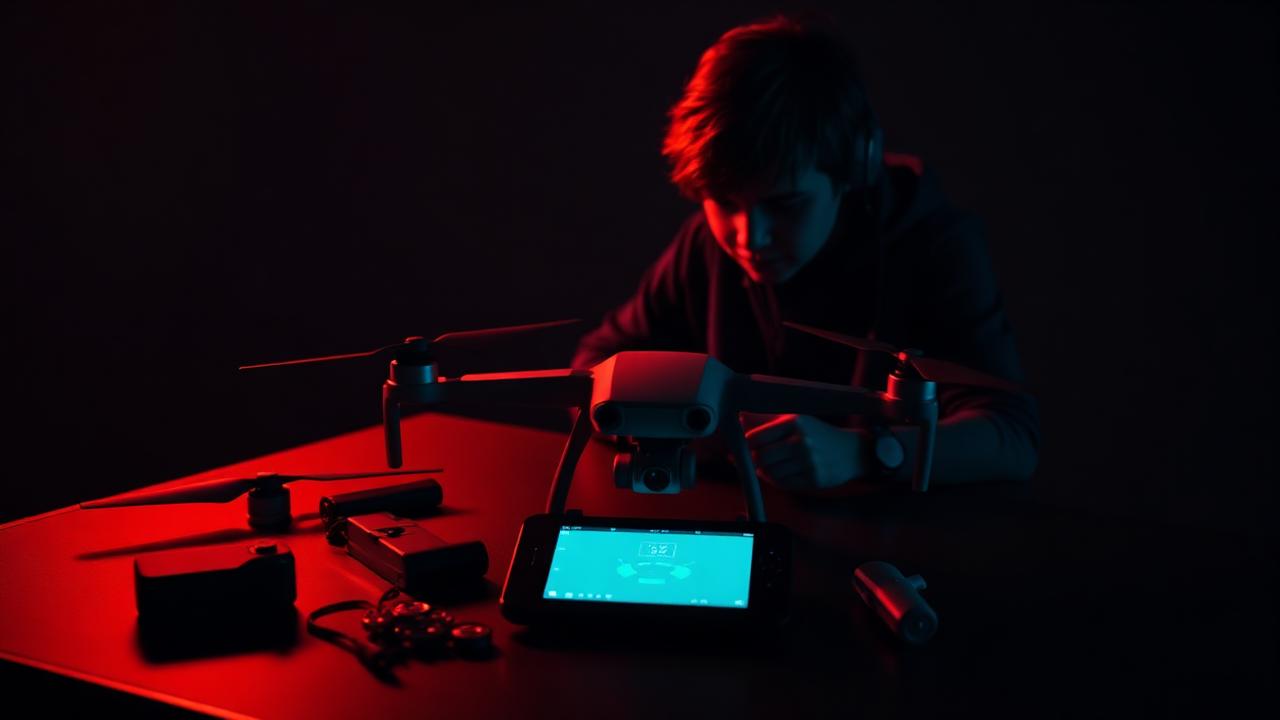
In aviation, checklists exist because human memory is unreliable under mild stress, and the excitement of a first flight counts as stress. Professional pilots with thousands of hours still read checklists out loud. We hold students to the same standard, and it is the single practice that has kept our incident count as low as it is.
The checklist below is the one we run before every student flight. It is read aloud by the crew member holding the card, and the pilot responds to each item. Silent checklists do not work; the verbal response is what proves the item was actually checked rather than skimmed.
Part one: the aircraft
- 01Propellers — inspect each blade for chips, cracks, and bends. A chipped prop causes vibration that the flight controller fights, draining battery and degrading stability. Replace, do not fly.
- 02Motors — spin each by hand. They should turn freely with no grinding and no play in the shaft.
- 03Airframe — check arms and shell for cracks, especially after a previous hard landing.
- 04Battery — confirm it is fully charged, not puffed or swollen, and firmly seated until it clicks. A swollen battery is retired immediately, never charged again.
- 05Controller — powered on, sticks centered, and battery level checked separately from the aircraft.
- 06Firmware and calibration — compass and IMU calibrated if the aircraft has been moved a significant distance or is behaving oddly.
Part two: the environment
- 01Airspace — confirm the flight location is in uncontrolled airspace, or that authorization has been obtained. Check for temporary flight restrictions.
- 02Weather — wind speed below the aircraft's limit and below the pilot's skill level, no precipitation, and adequate visibility. Small indoor-class drones are overwhelmed by wind adults barely notice.
- 03Obstacles — identify power lines, trees, light poles, netting, and ceiling fixtures before takeoff, not during the flight.
- 04People and property — nobody uninvolved within the flight area, no flight over people, no flight over moving vehicles.
- 05Takeoff surface — flat, clear of loose debris, and clear of grass tall enough to catch a propeller.
- 06Emergency plan — the crew agrees out loud on the landing spot if something goes wrong and who will call the abort.
Part three: the crew
Every flight has a pilot in command, and that person is responsible for the aircraft from power-on to power-off. The pilot must have their TRUST certificate accessible. A visual observer stands beside the pilot with eyes on the aircraft at all times, and a third student runs the checklist and the flight timer.
Before the props spin, the pilot calls 'clear' and waits for the observer to confirm. This is not theater. It is the habit that prevents someone from walking into a spinning propeller, and it is the same call made on flight lines worldwide.
During the flight
- Maintain visual line of sight at all times. If the aircraft becomes hard to see, bring it closer immediately.
- Stay at or below 400 feet above ground level.
- Land at the battery threshold the crew set before takeoff, not when the low-battery alarm sounds.
- If the aircraft behaves unexpectedly, reduce altitude and land. Do not troubleshoot in the air.
- Yield to every manned aircraft, always, without exception.
After the flight
The post-flight matters more than students expect. Batteries come out and are allowed to cool before charging. Motors get a quick touch check — a motor noticeably hotter than its neighbors is a warning sign. Any contact with an obstacle is logged, and the aircraft is inspected before it flies again. Damage is reported honestly, and we make a point of never punishing an honest report. A student who hides a crack because they are afraid of getting in trouble is how the next flight becomes a real incident.
Why we make it ceremonial
We keep the checklist on a printed card, we read it out loud, and we do it even for a two-minute hover. Students sometimes find this excessive on session three. By session ten they run it without prompting, and by the time they are flying anything expensive, the habit is automatic.
That habit is the actual deliverable. A student may or may not become a drone pilot. But a young person who has internalized the idea that you verify before you commit — that you check the equipment, scan the environment, brief the crew, and agree on the abort plan — carries something valuable into any field they choose.
Stay in the loop
Get the next guide before the next flight day.
Shaymon Owens
Founder & CEO, The Okii Dream Initiative
Part of the team running drone flight, aviation technology, and STEAM programs across Hampton Roads, Virginia.