Safety & Regulations
What Is the FAA TRUST Certificate and Why Every Young Drone Pilot Should Get One
February 4, 2026 6 min readBy Shaymon Owens
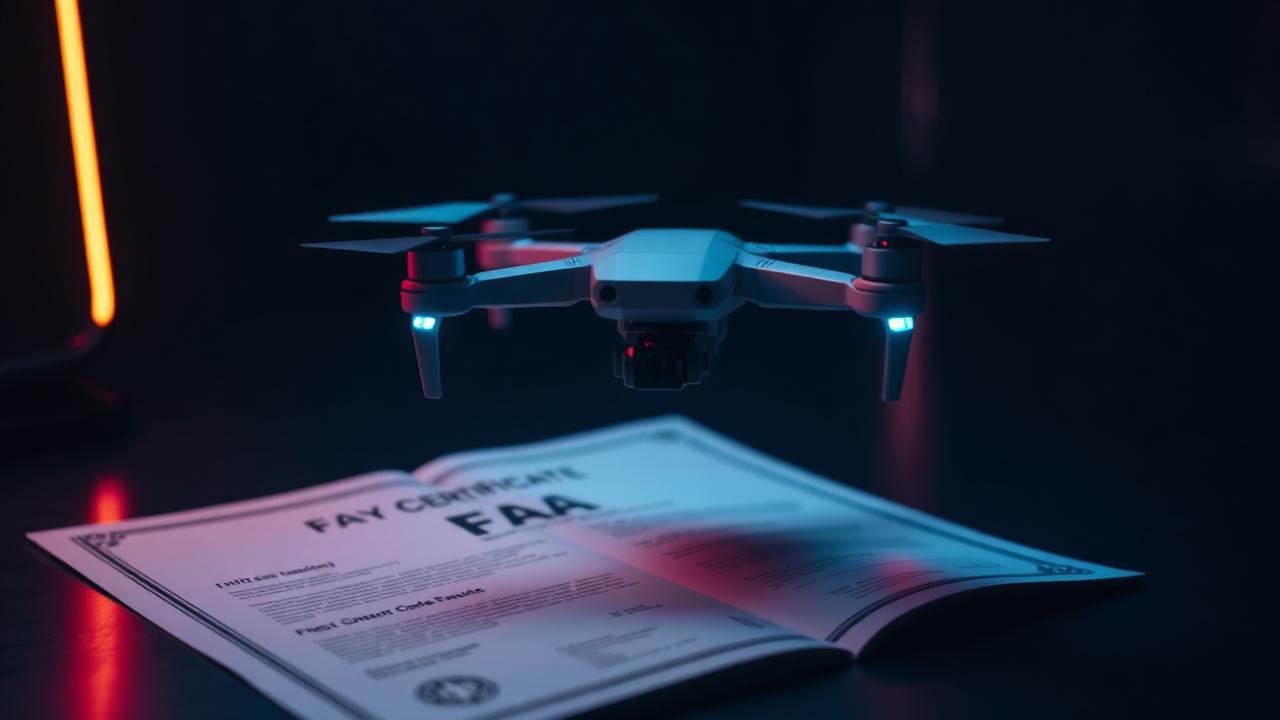
Almost every family who walks into one of our drone sessions asks the same question within the first ten minutes: does my kid need a license to fly this thing? The honest answer is more encouraging than most people expect. A child does not need a commercial pilot certificate to fly a drone for fun. What they do need — what every recreational flyer in the United States needs, regardless of age — is the FAA TRUST certificate. It is free, it cannot be failed, and it is the single fastest way to turn a curious kid into a legal, informed pilot.
What TRUST actually is
TRUST stands for The Recreational UAS Safety Test. Congress required it, the FAA built it, and a network of approved test administrators — universities, drone organizations, and nonprofits — deliver it online at no cost. It is not a licensing exam in the way a driver's test is. There is no seat time requirement, no minimum age, and no way to walk away with a failing grade. The test walks you through short safety modules, asks questions after each one, and if you answer incorrectly it explains the right answer and lets you try again until you get it. The design is intentional: the goal is comprehension, not gatekeeping.
When you finish, you download a completion certificate as a PDF. That certificate never expires, but it also never gets stored by the FAA. If you lose the file, you retake the test. We tell every family the same thing: save it to the cloud, email it to yourself, and print a copy for the flight bag.
Who legally needs it
Anyone flying a drone recreationally in United States airspace must have TRUST and must carry proof of it — digital or printed — whenever they fly. That includes an eight-year-old flying a fifty-dollar toy quadcopter in a backyard. Age is not an exemption. The FAA does not require a parent to take it on a child's behalf, though in practice we encourage parents to sit through the modules alongside their student. Adults who assume they already know the rules are usually the ones most surprised by the airspace section.
TRUST covers recreational flight only. The moment a flight has any commercial purpose — a paid real estate photo, a sponsored social post, roof inspection footage sold to a contractor — the pilot needs a Part 107 Remote Pilot Certificate instead, which requires being at least sixteen and passing a proctored knowledge exam at a testing center. For students, TRUST is the on-ramp and Part 107 is the destination.
What the test teaches
The modules move through the practical knowledge a new pilot needs before their first flight. Students learn that recreational flight must follow the safety guidelines of a community-based organization, that they must keep the aircraft within visual line of sight at all times or use a visual observer standing beside them, and that they must never interfere with a manned aircraft.
- Airspace classes, and why uncontrolled Class G airspace is where recreational flight belongs by default.
- How to request authorization to fly in controlled airspace near an airport using LAANC.
- The 400-foot altitude ceiling and what it means near tall structures.
- Why flying over people, moving vehicles, and stadium events is restricted.
- Registration: drones over 0.55 pounds must be registered with the FAA and marked with the registration number.
- Preflight condition checks and the pilot's responsibility for the safety of every flight.
Why we make it step one
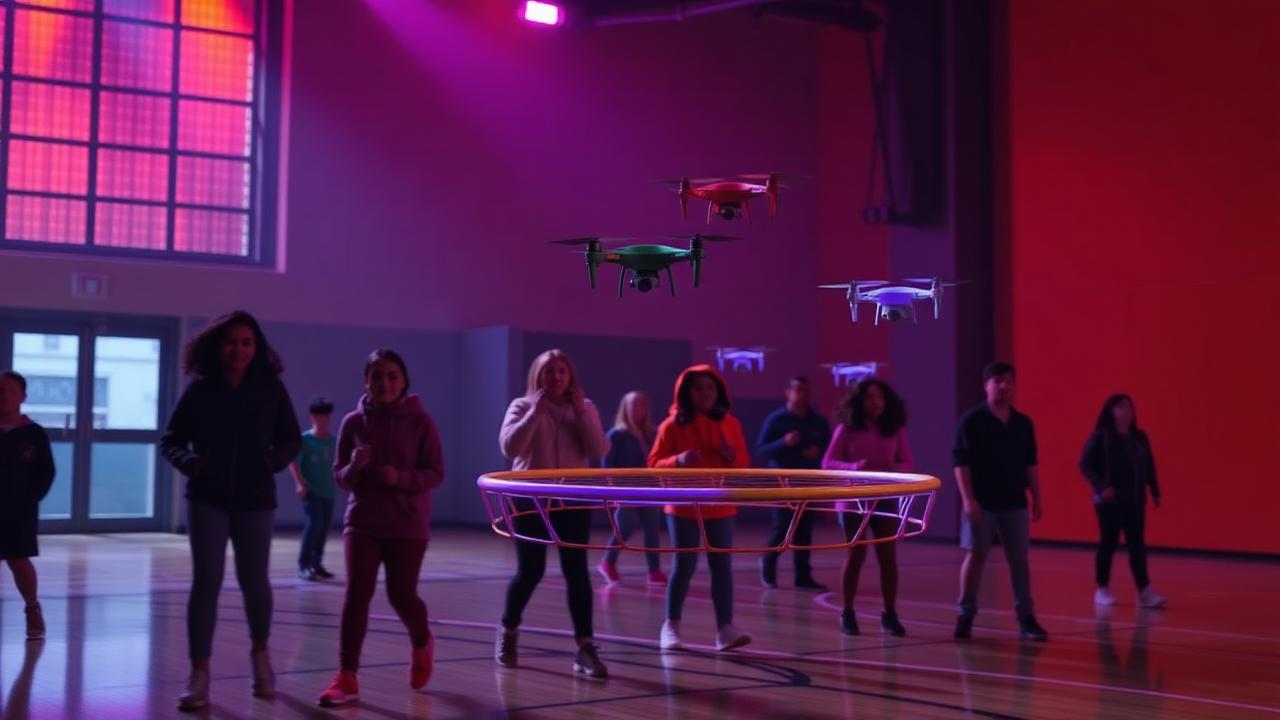
Every student who comes through an Okii Dream program earns TRUST before they take a controller for solo flight. There is a practical reason and a developmental one. The practical reason is compliance: we operate in community centers, school gyms, and public spaces, and a legal program is a program that gets invited back. The developmental reason matters more to us. TRUST is often the first credential a young person has ever earned on their own. It is issued by a federal agency. It has their name on it. For a twelve-year-old who has never thought of themselves as someone who earns certifications, that PDF changes the story they tell about themselves.
We have watched students who were disengaged in a classroom sit forward for the airspace module because it suddenly mattered — the airport on the screen was the one they drive past. Aviation stops being abstract when the map is your neighborhood.
How to take it in one sitting
- 01Go to the FAA's TRUST page and pick any approved test administrator. They are all free and all issue the same certificate.
- 02Set aside about thirty uninterrupted minutes. Younger students often take closer to forty-five, and that is fine.
- 03Read each module with your student rather than skipping to the questions. The questions are easy once the module is read; the knowledge is the point.
- 04Enter the student's name exactly as it should appear on the certificate. Administrators cannot reissue it later.
- 05Download the PDF immediately. It is not emailed by the FAA and it is not recoverable.
- 06Store it in two places, and keep a copy on the phone that goes to the flying field.
After the certificate
TRUST proves a student understands the rules. It does not teach them to fly. That comes next: stick control, orientation, controlled hover, a smooth square pattern, and the discipline of a preflight checklist. In our youth sessions, the certificate is the ticket that unlocks the flight line, and students take real pride in showing it at the door.
If you want help getting your student through it, bring them to an Intro to Drones session. We run through the modules together, answer the airspace questions with local maps, and hand them a controller the same day. The certificate is free. The confidence it builds is the part we are actually after.
Stay in the loop
Get the next guide before the next flight day.
Shaymon Owens
Founder & CEO, The Okii Dream Initiative
Part of the team running drone flight, aviation technology, and STEAM programs across Hampton Roads, Virginia.